Loading article…
 |
 |
 |
|
 |
|||
 |
 |
||
|
|
|
|
|
|||
|
|
||
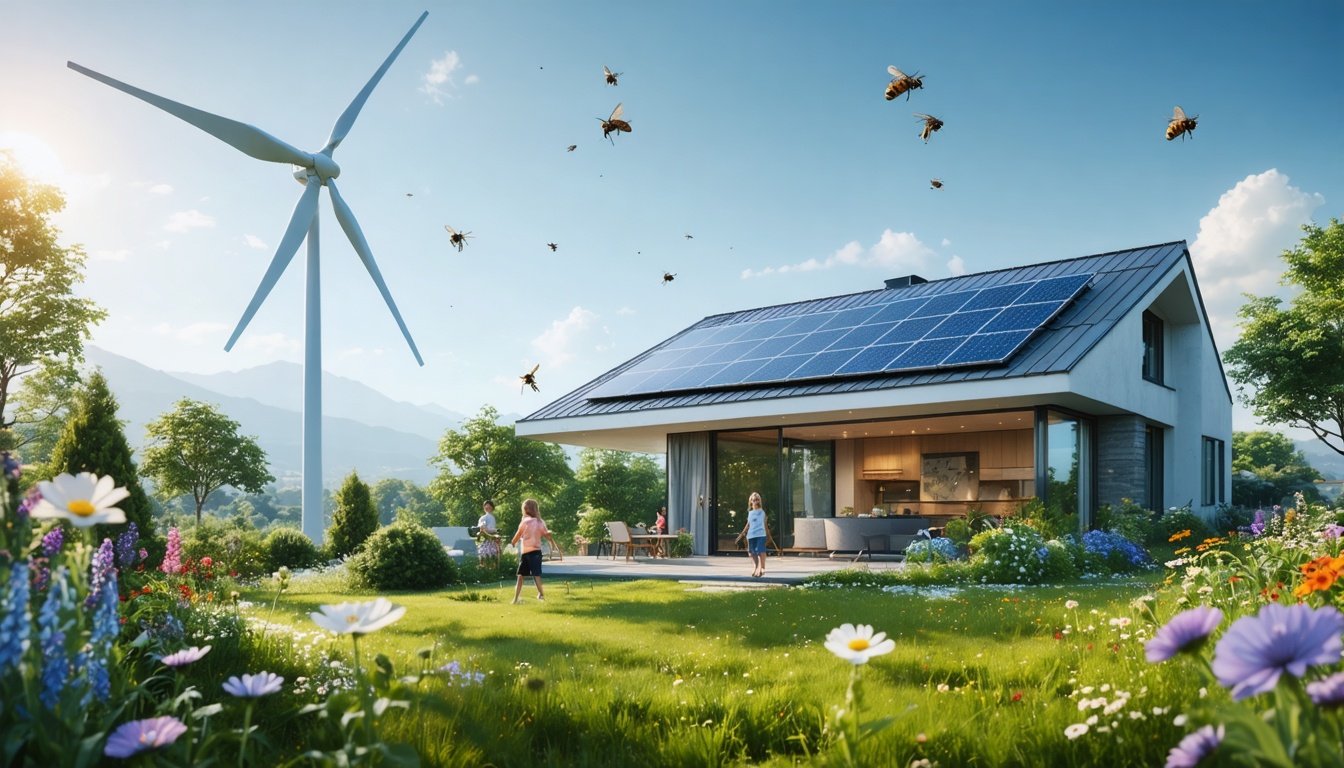
Choosing renewable energy for your home contributes to a reduction in pollution and a decrease in greenhouse gas emissions. Transitioning from fossil fuels to renewable sources, such as solar, wind, or hydroelectric power, results in lower carbon emissions, which can lead to improved air quality over time. This shift not only benefits the environment but may also offer potential savings in energy costs due to the decreasing prices of renewable technologies and the operational efficiency of renewable energy systems. In addition to environmental advantages, the adoption of renewable energy can have positive implications for local communities and economies. The growth of renewable energy industries often leads to job creation in manufacturing, installation, and maintenance sectors. Furthermore, investing in localized renewable energy sources can enhance energy security and foster greater resilience against fluctuations in fossil fuel prices. Health outcomes may also improve with the shift to renewable energy, as decreased reliance on fossil fuels is associated with lower incidences of respiratory and cardiovascular diseases linked to air pollution. Overall, the transition to renewable energy offers a range of benefits that extend beyond individual households, positively influencing wider environmental, economic, and public health outcomes.
Renewable energy is generated from natural sources, including sunlight, wind, rainfall, and geothermal heat. These resources are replenished naturally over short time periods, making them sustainable options for energy production, especially for residential use. The implementation of technologies such as solar panels and wind turbines can reduce dependence on fossil fuels. For those interested in learning more, a guide to home solar systems offers valuable insights and practical steps to get started.
Electricity derived from renewable sources powers technologies like heat pumps and electric vehicles, contributing to lower greenhouse gas emissions compared to traditional energy sources. In recent years, an increasing number of cities and countries have begun to adopt wind energy and explore alternative electricity generation methods, which can also stimulate job creation in the renewable energy sector.
Several factors influence the move towards a lower-carbon economy, including advancements in cleaner energy technologies, more efficient supply chain processes, and government tax incentives.
This transition is designed to tackle climate change while also addressing public health concerns related to the environmental impacts associated with fossil fuel consumption.
As global emissions targets become increasingly pressing, the adoption of clean energy at the household level is a practical strategy for reducing greenhouse gas emissions. Transitioning to renewable energy sources, such as solar panels, heat pumps, and wind turbines, can lead to a significant decrease in carbon dioxide emissions, which aligns with Net Zero goals.
Electricity generated from fossil fuels emits approximately three times more greenhouse gases than that produced from renewable sources. Additionally, reliance on fossil fuels negatively impacts air quality and poses risks to public health and economic stability.
In response to these challenges, the United States and other countries are implementing policies aimed at facilitating this energy transition. These include creating job opportunities and offering tax incentives for adopting cleaner fuel alternatives, such as electric vehicles and sustainable heating systems.
Renewable energy, derived from natural resources, is associated with minimal to negligible greenhouse gas emissions. This property enables municipalities to more effectively tackle the challenges posed by climate change and its consequences.
By investing in renewable technologies, local economies can reduce their carbon footprints while enhancing their resilience to the adverse effects of climate change. This strategic approach not only addresses environmental concerns but may also provide economic benefits through job creation and innovation in the clean energy sector.
Transitioning household energy use to renewable sources, such as solar panels and wind turbines, is associated with notable reductions in both air and water pollution. The combustion of fossil fuels is a primary contributor to carbon dioxide emissions and other harmful pollutants, adversely affecting air quality, particularly in urban areas. In contrast, renewable energy systems, including electric vehicles and heat pumps, typically result in minimal to no greenhouse gas emissions during their operational phases.
The adoption of cleaner energy options is significant for reducing carbon emissions and improving water quality. By decreasing dependence on fossil fuels, households can mitigate the risks of water contamination that often stem from fossil fuel supply chains.
Furthermore, transitioning away from traditional, water-intensive power generation methods is conducive to more efficient water use. Promoting renewable energy can advance sustainable heating practices while contributing to the attainment of net-zero emissions objectives.
This shift not only has implications for environmental sustainability but can also enhance economic stability in the United States. A thorough approach to energy consumption that emphasizes the adoption of clean technologies is likely to yield sustained benefits for environmental integrity and public health.
The transition to renewable energy sources, including solar panels and wind turbines, has important implications for biodiversity and ecosystems. By decreasing reliance on fossil fuels, households can contribute to lower carbon dioxide emissions and reduced air pollution. This reduction can have positive effects not only on human health but also on the preservation of biodiversity in both urban and rural environments.
Renewable energy technologies typically result in less land disturbance annually compared to fossil fuel extraction and consumption. This aspect supports the preservation of habitats, which is essential for maintaining biodiversity and safeguarding various species.
Furthermore, the shift to cleaner electricity generation is key in enhancing climate resilience by mitigating some of the adverse effects associated with climate change.
In addition to environmental impacts, policies such as Net Zero targets and tax incentives for renewable energy adoption can stimulate economic growth and job creation. These initiatives help foster a more sustainable economy and may reduce potential ecological impacts.
The adoption of renewable energy technologies thus presents a viable strategy to address both environmental and economic challenges while promoting the protection of biodiversity and ecosystems.
As energy demands continue to rise, the transition to clean power sources at the household level is a key factor in promoting sustainable resource use. By implementing renewable energy technologies such as solar panels, wind turbines, and heat pumps, homeowners can aid in the shift of the United States' electricity generation system from fossil fuel dependency. Such a transition is associated with a reduction in greenhouse gas emissions and air pollutants, which can enhance air quality and address some effects of climate change.
Additionally, energy generation from renewable sources generally requires less water and land than traditional fossil fuel extraction and processing methods. This aspect is beneficial for the preservation of vital natural resources.
The incorporation of electric vehicles and Net Zero heating systems into households further supports this movement towards sustainability. On a broader scale, these activities contribute to a more resilient economy and have the potential to generate employment opportunities within the renewable energy sector.
In conclusion, the adoption of clean energy solutions at the household level is a significant component of sustainable resource management, affecting both environmental and economic factors.
The reliance on fossil fuels has resulted in notable air pollution in various communities, which can have adverse effects on public health. Transitioning to renewable energy sources, including solar panels, wind turbines, and heat pumps, offers a potential strategy to reduce carbon dioxide emissions and limit exposure to harmful air pollutants.
Switching to cleaner electricity generation is linked to lower greenhouse gas emissions and a decrease in particulate matter, both of which are significant factors contributing to climate change and various health complications.
The use of electric vehicles and the implementation of Net Zero heating systems further facilitate the reduction of carbon emissions and support local and national environmental targets.
Evidence suggests that renewable energy, which harnesses natural resources, can lead to improvements in air quality, which may subsequently lower the incidence of respiratory illnesses and enhance overall health outcomes for individuals and communities.
In conclusion, embracing renewable energy not only addresses environmental concerns associated with climate change but also offers tangible health benefits, thereby contributing to environmental sustainability and public health improvement.
The adoption of renewable energy in residential settings contributes to a measurable decrease in carbon emissions and is an important component of the broader economic landscape. The installation of technologies such as solar panels, heat pumps, and wind turbines facilitates the transition toward cleaner energy sources, which is crucial for decreasing reliance on fossil fuels.
Recent data indicates that this transition has led to the creation of over sixteen million jobs globally within this expanding sector.
In the United States, government initiatives, including tax credits and Net Zero policies, are designed to alleviate the financial barriers associated with adopting renewable energy. These measures aim to enhance accessibility for homeowners.
Moreover, the increasing use of electric vehicles, which are more frequently powered by renewable energy, further aids in the reduction of air pollution and greenhouse gas emissions.
Investing in sustainable home energy can also bolster the development of resilient supply chains. By decreasing dependence on fossil fuels, cities and nations can better address the challenges posed by climate change and promote economic stability.
The ongoing development of renewable energy infrastructure is vital for achieving long-term sustainability and securing economic resilience.
Choosing renewable energy for your home contributes to the reduction of greenhouse gas emissions and the conservation of natural resources. This transition can lead to various economic and health advantages, while also fostering innovation and sustainable practices for future generations. Implementing renewable energy solutions may result in improved air quality and enhance energy independence, which can have positive repercussions for local communities. From an economic perspective, investing in renewable energy can lead to long-term savings on energy bills and job creation in the sector. Additionally, renewable energy sources, such as solar or wind, have proven to be more stable in price over time compared to fossil fuels, reducing the impact of market fluctuations. Moreover, the transition to renewable energy supports public health by decreasing air pollution, which is associated with respiratory diseases and other health issues. Cleaner air contributes to a healthier environment for all residents. In summary, choosing renewable energy at home yields multiple benefits, including reduced emissions, economic savings, health improvements, and support for local communities. These factors collectively contribute to a more resilient, sustainable future.